Research use only · Lot-traceable
Research-grade peptides, documented per lot.
Supplied to qualified laboratories, academic institutions and independent investigators. Strictly for in-vitro laboratory research.
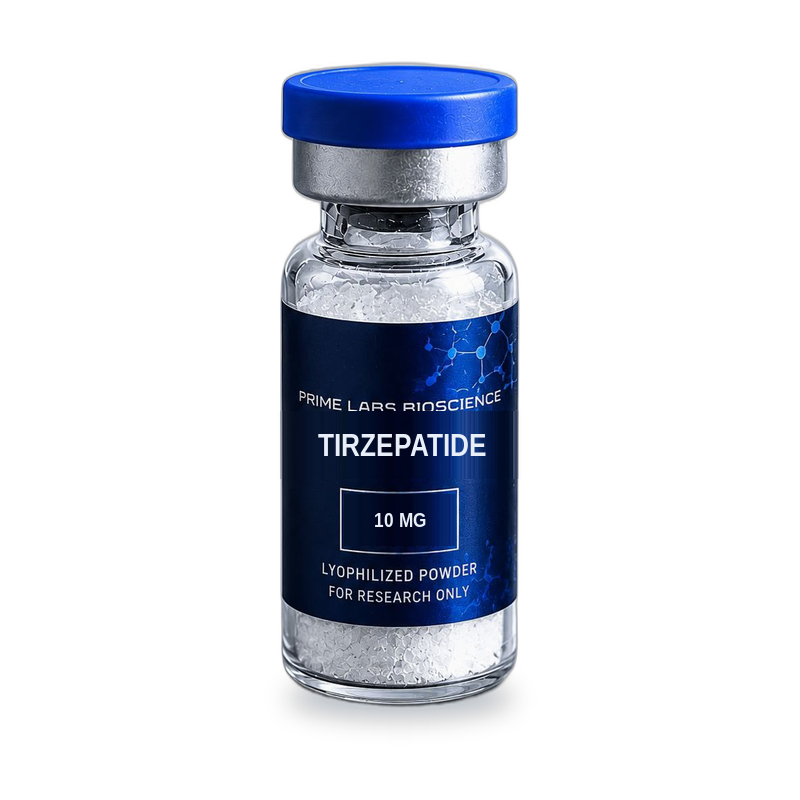
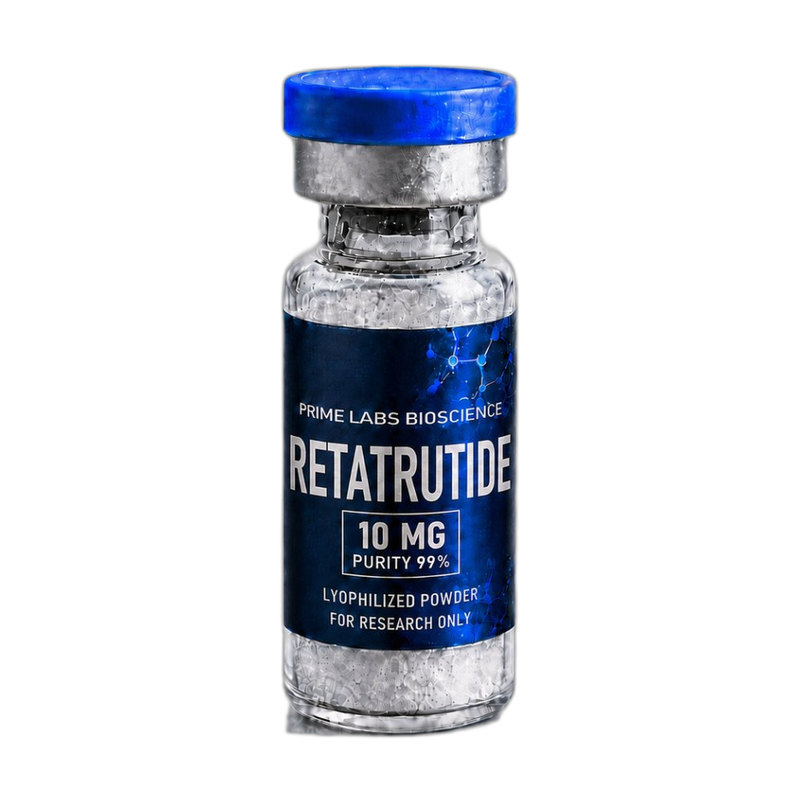
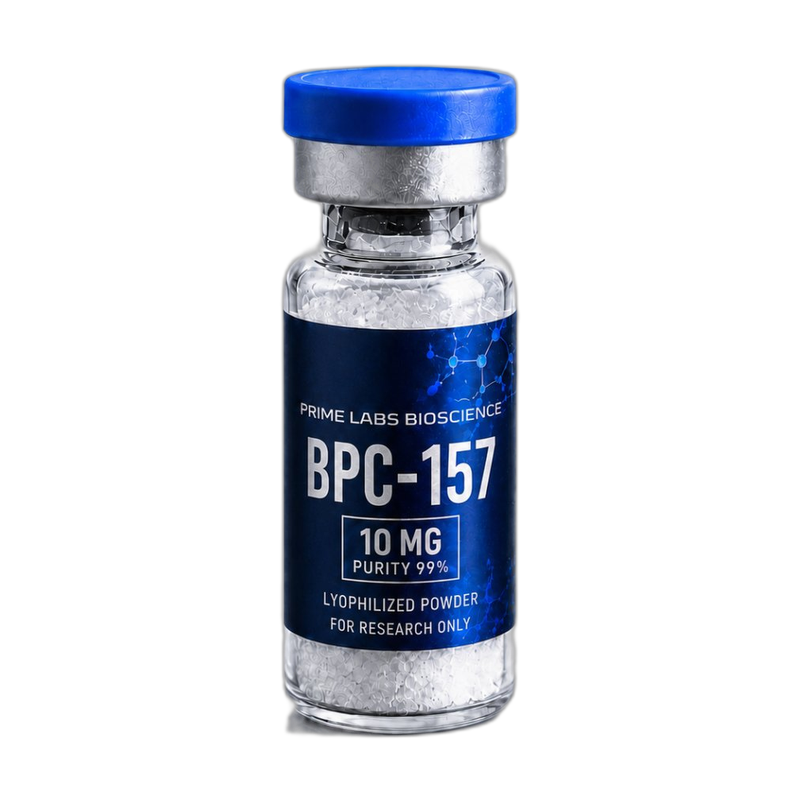
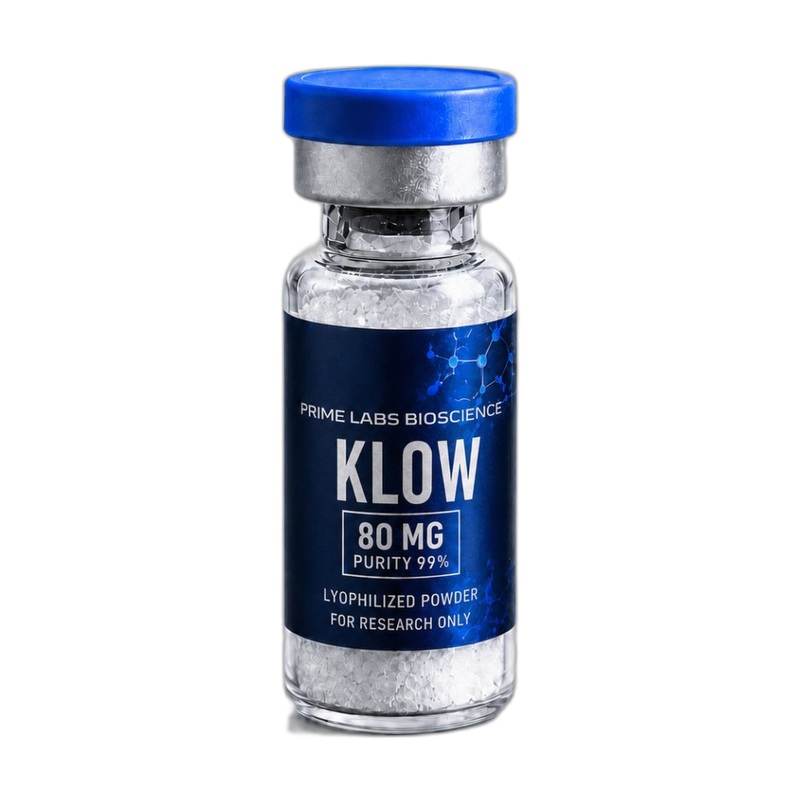
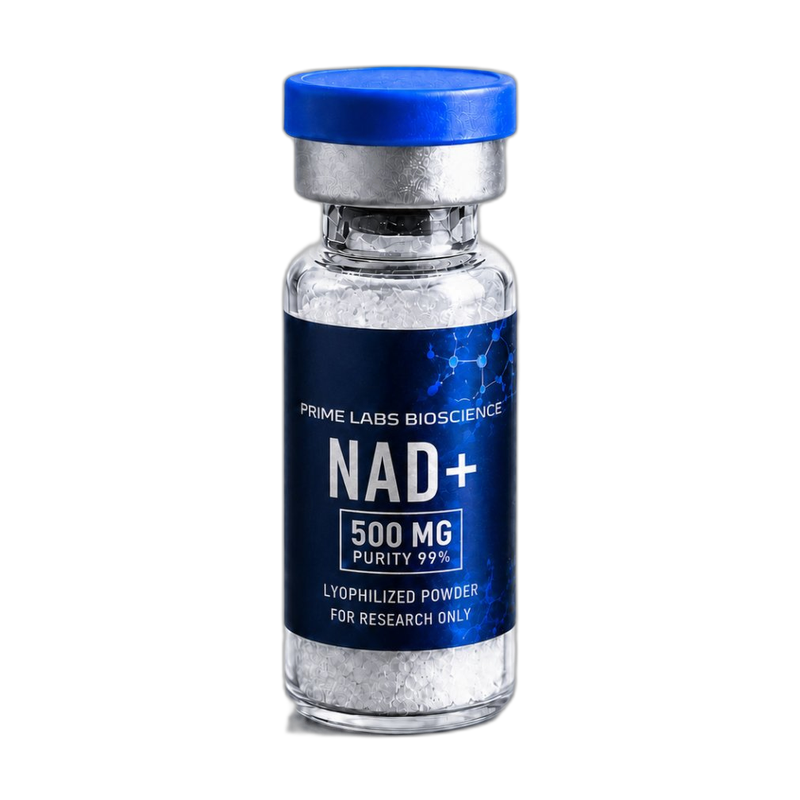
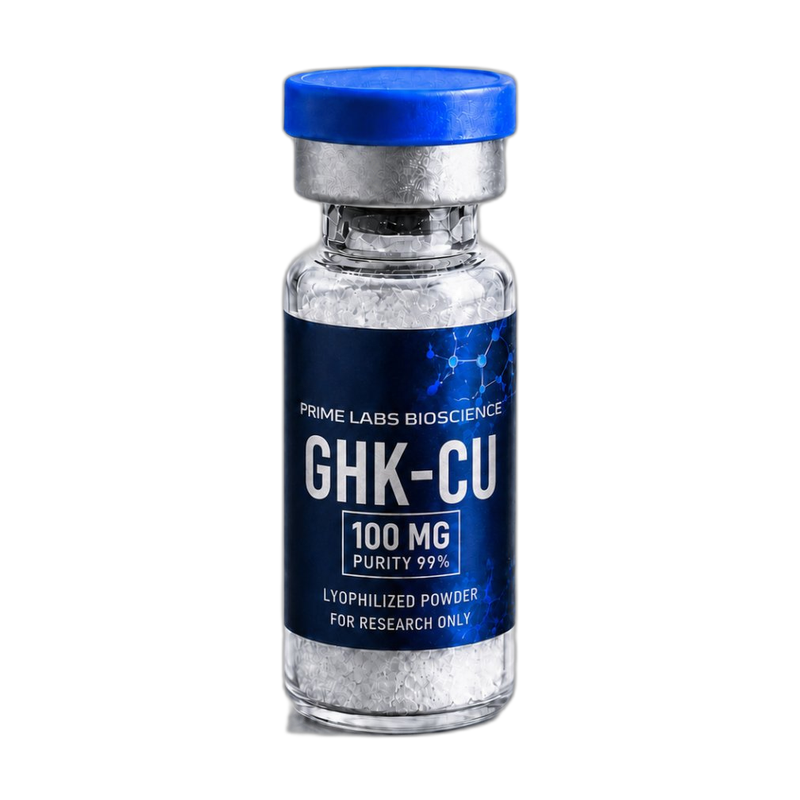
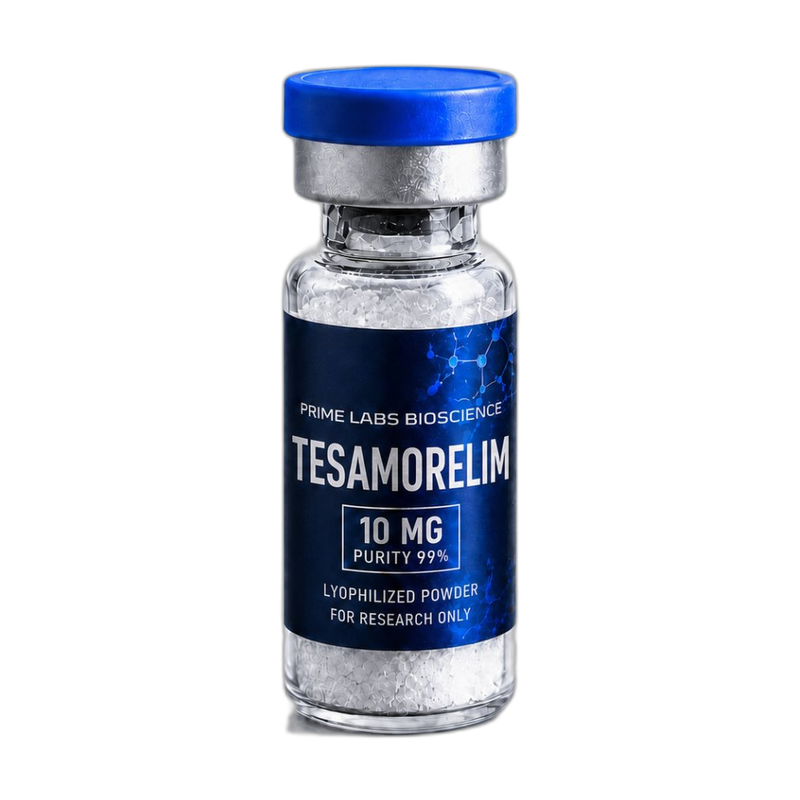
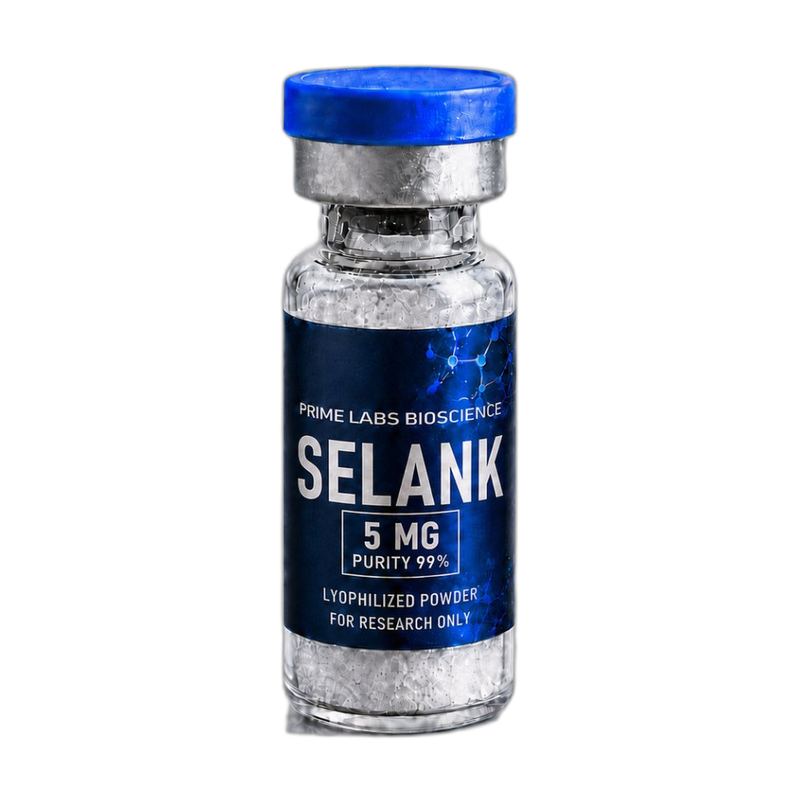
Research peptides are short chains of amino acids, typically containing between 2 and 50 residues, that are synthesized for use in laboratory and scientific research. Unlike proteins, which fold into complex three-dimensional structures, peptides are smaller molecules that can be precisely engineered to interact with specific biological targets such as receptors, enzymes, and signaling pathways.
These compounds play a critical role in advancing our understanding of human physiology, disease mechanisms, and potential therapeutic targets. Research peptides are used extensively in fields including endocrinology, neuroscience, immunology, oncology, and metabolic research. Their specificity and potency make them invaluable tools for investigating cellular processes at the molecular level.
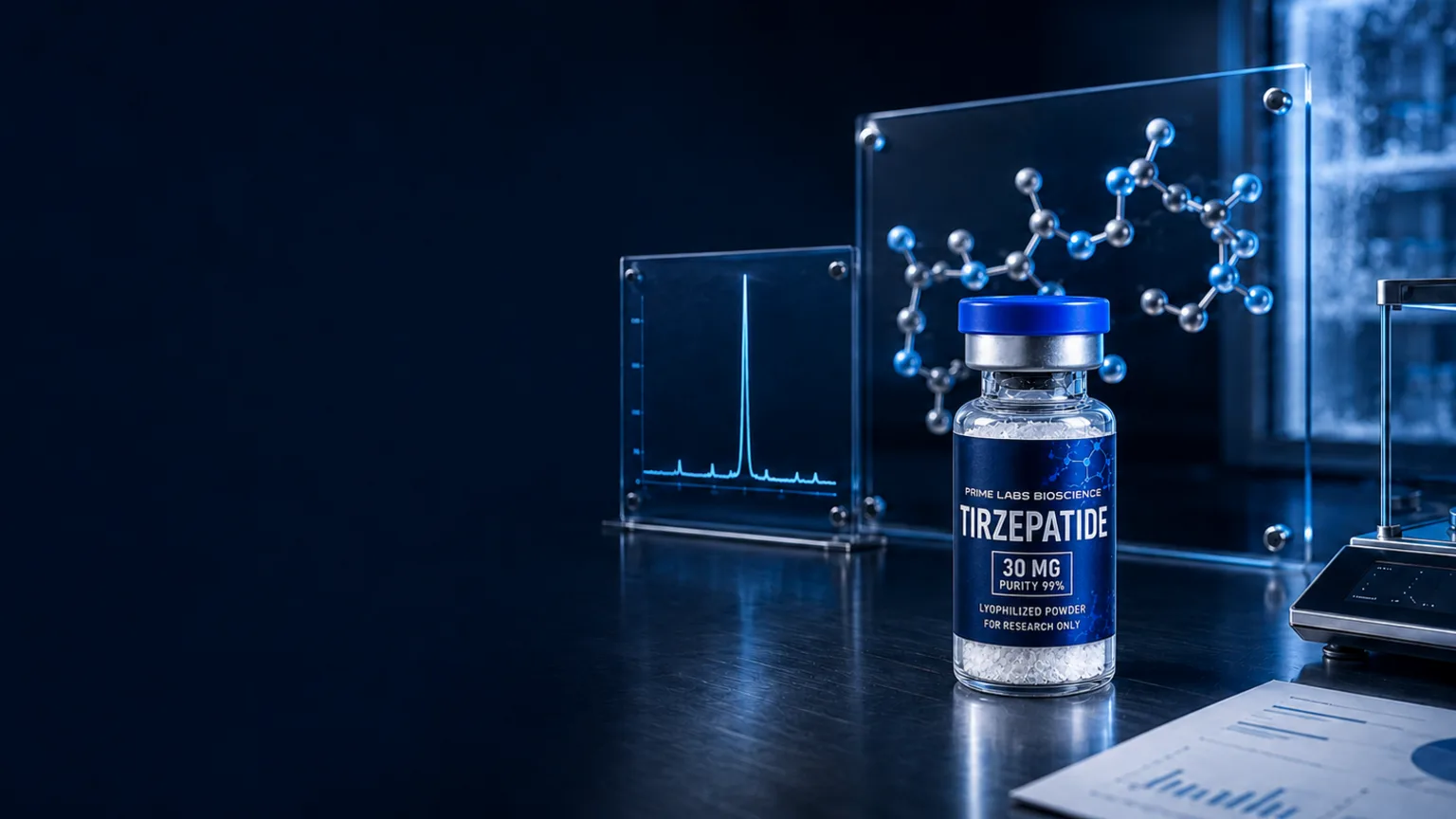
Analytical characterisation of research peptides typically relies on High-Performance Liquid Chromatography (HPLC) to assess purity and Mass Spectrometry (MS) to confirm molecular identity and weight. Researchers should always review the analytical documentation supplied with a given lot before use.

We will tell you which lot is in stock and exactly what documentation exists for it — before you place an order, not after.
Browse the catalog by research category. Each area lists compound profiles with published specifications and handling notes.
Lot-traceable inventory, specifications published per compound, and straight answers about what documentation exists.
Purity specifications and the analytical documentation available for a compound are stated on its own product page — never as a blanket catalog claim.
Inventory is tracked by batch, so any document we hold can be tied to the vial you receive. Fulfilment times are confirmed per order.
Chemical identity, molecular weight, physical form, and storage conditions are published on every product page, alongside handling and reconstitution notes.
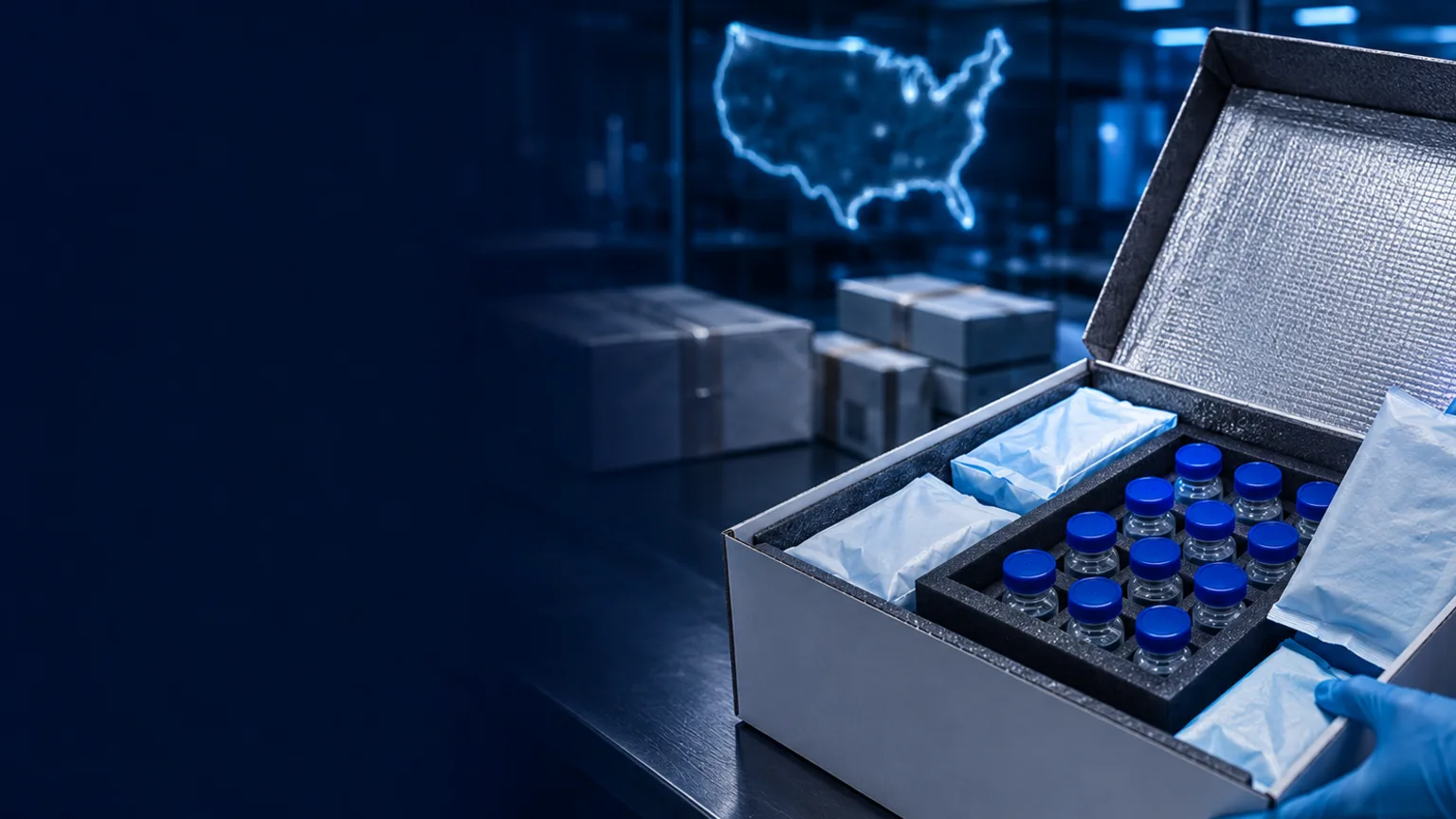
Exterior packaging carries no description of contents beyond what carrier regulations require. Compounds needing temperature control ship with insulated packing.
Quality is not negotiable in peptide research. Impurities, degradation products, or an incorrect molecular weight can invalidate an entire experimental series — and the failure usually surfaces weeks later, after the material has already been consumed. That is why we treat analytical documentation as part of the product rather than an optional extra.
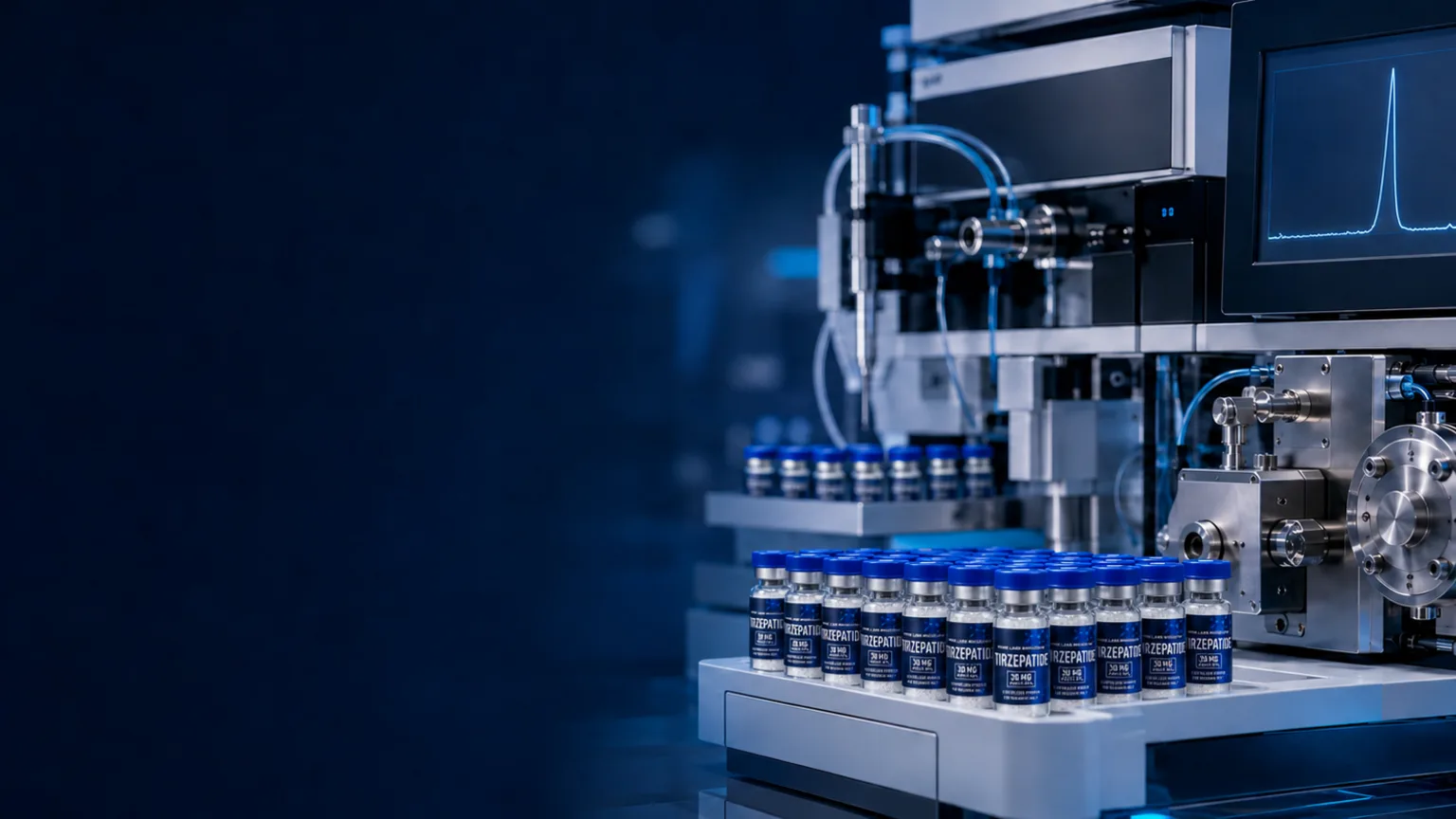
A standard peptide analytical workflow combines reverse-phase HPLC for purity assessment, electrospray ionization mass spectrometry (ESI-MS) for molecular weight confirmation, and amino acid analysis for sequence verification. Lot numbering allows results to be traced back to synthesis and purification records.
Ask us for the analytical documentation covering a specific lot before you commit to an order and we will tell you exactly what exists for that batch. If a compound has not been characterised to the level your protocol requires, we would rather say so up front than let you discover it mid-experiment.
| Purity | Reverse-phase HPLC |
|---|---|
| Identity | ESI-MS — molecular weight confirmation |
| Sequence | Amino acid analysis |
| Traceability | Lot number → synthesis records |
| Physical form | Lyophilized powder |
| Storage on arrival | −20 °C, sealed, desiccated |
GLP-1 receptor agonists, growth hormone releasing peptides, and insulin-signaling modulators for studying glucose metabolism, appetite regulation, and hormonal pathways.
BPC-157, TB-500, and related peptides for investigating wound healing mechanisms, angiogenesis, collagen synthesis, and connective tissue regeneration in laboratory models.
Neuropeptides and melanocortin receptor ligands for studying neurotransmission, neuroprotection, memory consolidation, and central nervous system signaling pathways.
Thymosin derivatives and antimicrobial peptides for investigating immune cell activation, cytokine regulation, and host defense mechanisms in controlled environments.
Epitalon, GHK-Cu, and telomere-associated peptides for studying cellular senescence, oxidative stress response, and age-related decline at the molecular level.
Somatostatin analogs and targeted peptide sequences for investigating tumor growth inhibition, receptor-mediated endocytosis, and novel drug delivery mechanisms.
Purity specifications and available analytical documentation are listed on each product page. Contact us for the analytical data covering a specific lot.
Lyophilized (freeze-dried) peptides should be stored at -20°C or below in a sealed container with desiccant. Reconstituted peptides should be aliquoted and stored at -20°C to minimize freeze-thaw cycles. Most lyophilized peptides maintain stability for 12–24 months under proper storage conditions.
Inventory is tracked by lot, so any document we hold can be tied to the vial you receive. The documentation available varies by compound and batch and is noted on the product page. Contact us before ordering and we will tell you exactly what exists for the lot in question.
We currently ship within the United States. Contact us before ordering from outside the US so we can confirm whether we can serve your destination.
No. All products sold by BioScience Prime Labs are strictly for laboratory and in-vitro research use only. They are not intended for human or animal consumption, and are not to be used for diagnostic, therapeutic, or any other clinical purpose.
Allow the vial to reach room temperature before opening. Using a sterile syringe, slowly add bacteriostatic water or the appropriate solvent along the vial wall. Gently swirl (do not shake) until fully dissolved. The specific volume of solvent depends on the desired concentration for your protocol.
All compounds are intended strictly for in-vitro research and laboratory testing. Not for human or animal consumption. By placing an order, you confirm you are a qualified researcher or represent a research institution.
Browse the catalogYou must be 21 or older to enter this site.
You must confirm your age and agree to the terms to enter.